Biodiversity for Therfield: Encouraging Pollinators
Here are some ideas for encouraging pollinators like bees and butterflies into your garden all year round.
Published: 19 May 2026
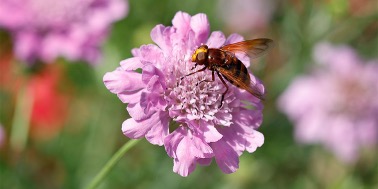
Spring is here, nature is waking up and now’s the time to start thinking about those small (or could be larger) nudges to help nature along.
Have a look around your garden. Do you have space to grow some pollinator friendly plants? Some plants are colourful but may not actually be useful to butterflies, bees, hoverfies, beetles etc. The consumer group Which? performed field tests to see which plants attract pollinators well and some not so well.
If you are considering some new plants or bushes for your patio or garden then give the following some consideration:
- Early spring plants like Primrose, Hellebore, Hyacinth and Crocus are great for providing food and shelter for Bumblebees before the garden wakes up properly
- Late Spring to Summer: Foxglove, Delphinium, Lavender, hardy Salvia & hardy Geranium
- Summer: Hebe, Agapanthus , annual Poppies
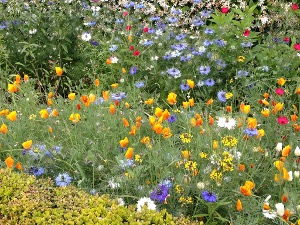
- Summer to Autumn: Aster – these attract a wide range of pollinators; Dahlia (single flowered were generally best); Echinacea (good for bees and butterflies and also make great seed heads for birds in the winter);
For patio pots, Which? recommended Coreopsis (hover flies were particularly attracted to the plant); Nicotiana (aka Tobacco plant) which attract moths with their night time perfumed scent; Scabious which flower for a long time and are a magnet for bees and butterflies; Monarda and single flowered varieties of Bidens.
They didn’t recommend summer bedding plants for attracting wildlife as they appear to have lost the production of nectar or pollen. Also Pelargoniums, Fuchsia or Verbena didn’t seem to attract any pollinators despite being very colourful.
Note that insects also find it hard to access the nectar of flowers with double blooms.
Once you’ve attracted some great pollinators, do not use any pesticides (eg slug pellets, insecticides) in the garden – the natural predators will soon descend on those aphids attacking your roses and devour them.